
Roof evaluation is the process of assessing the condition of a roof in order to determine its current state and identify any potential issues or areas of concern. This is an important step for building owners and property managers to take in order to ensure the long-term health and protection of their building. In this post, we will delve into the details of roof evaluation, explaining what it is, how it is conducted, and why it is important.
Roof evaluation is the process of assessing the condition of a roof in order to determine its current state and identify any potential issues or areas of concern. It is typically conducted by a professional roofing contractor or building inspector and includes a thorough inspection of the roofing material, the condition of the decking, and the overall condition of the roof. The goal of a roof evaluation is to identify any issues that may need to be addressed in order to prolong the life of the roof and protect the building from water damage.
it is important to choose a reputable and experienced roof evaluation contractor in order to ensure a thorough and accurate assessment of the roof.
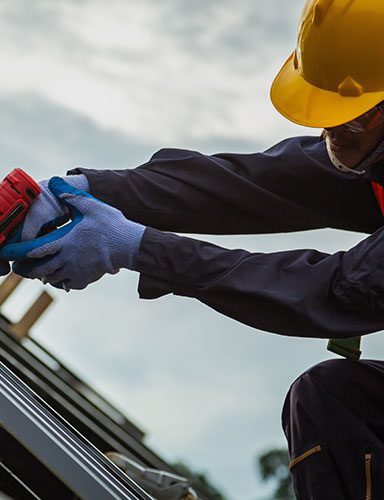
Roof evaluation is typically conducted by a professional roofing contractor or building inspector. The process typically involves a visual inspection of the roof from both the ground and the roof itself, if possible. The inspector will look for any visible signs of damage, such as missing or damaged shingles, leaks, or rot. They will also assess the condition of the decking and the overall condition of the roof. In some cases, the inspector may also use specialized equipment such as thermal imaging cameras or moisture meters to help identify any potential issues.
A typical roof evaluation will include a detailed assessment of the condition of the roof, including any visible signs of damage or wear and tear. It will also include an estimated lifespan for the roof, as well as any recommendations for repair or maintenance. In addition, the evaluation may include an assessment of the ventilation and drainage systems, as well as any other components of the roofing system that may need to be addressed.
Roof evaluation is an important step for building owners and property managers to take in order to ensure the long-term health and protection of their building. By identifying any issues with the roof early on, it is possible to address them before they become more serious and costly to fix. In addition, a roof evaluation can help to prolong the life of the roof by identifying any potential issues that may need to be addressed in order to maintain its integrity.
The frequency of roof evaluations will depend on the age and condition of the roof, as well as the climate in which the building is located. As a general rule, it is a good idea to have a roof evaluated at least once per year, particularly if the roof is older or has sustained any significant damage. In some cases, it may be necessary to have the roof evaluated more frequently, especially if the building is located in an area with harsh weather conditions or if the roof is showing signs of wear and tear.