Balancing ventilation

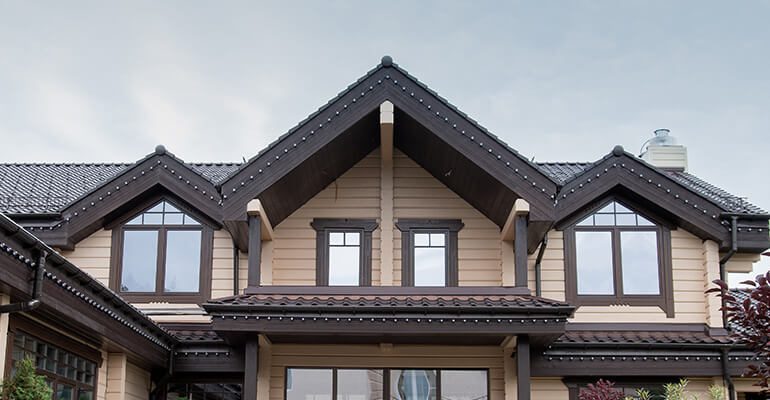
Balancing ventilation is the process of ensuring that your home has the right amount of ventilation to maintain optimal conditions in the attic. Proper ventilation helps to regulate the temperature and moisture levels in your attic, preventing issues such as mold, rot, and ice dams. Here are eight key points to consider when it comes to balancing ventilation in your home.

Balancing ventilation is important for the health and efficiency of your home. Without proper ventilation, the temperature and moisture levels in your attic can become too high or too low, leading to a range of issues.

Types of ventilation: There are several different types of ventilation systems available, including static vents, wind turbines, and ridge vents. Static vents are passive ventilation systems that rely on the natural flow of air to ventilate the attic. Wind turbines are active ventilation systems that rely on the wind to turn a fan and ventilate the attic. Ridge vents are installed along the ridge of a roof and allow for the natural flow of air through the attic.

Proper maintenance is important for the longevity and effectiveness of your ventilation system. This may involve cleaning the vents regularly and checking for any damage or issues.

It’s important to choose the right size and number of ventilation systems for your home. Factors to consider include the size of your attic, the type of ventilation system being used, and the climate you live in.

Balancing the intake and exhaust of your ventilation system is important for optimal attic conditions. Intake vents, such as soffit vents, allow air to enter the attic, while exhaust vents, such as static vents or wind turbines, allow air to escape. Ensuring that the intake and exhaust vents are properly balanced can help to regulate the temperature and moisture levels in your attic.
Location: The location of your ventilation system can also impact its effectiveness. Ventilation systems should be placed in areas that allow for effective airflow, such as along the eaves or gables of the roof.

Ventilation systems are typically made from durable materials such as metal or plastic. Metal vents are known for their longevity and resistance to extreme weather, while plastic vents may be more affordable but may not be as durable.
Asked Question

Frequently
Asked Questions

Welcome, Here, you can find answers to some of the most common questions we receive about our roofing services. If you have a question that is not answered here, please feel free to contact us.
Q. How do I know which roofing material is right for my property?
+

Choosing the right material depends on your building's structure, long-term goals, and budget. Commercial properties often lean toward TPO, PVC, or flat roofing systems for durability and energy efficiency, while homeowners may prefer asphalt shingles or cedar shake for their appearance and reliability. Experienced roofers in Seattle, WA can assess your property and walk you through the advantages of metal, PVC, TPO, shingles, or cedar shake to help you select an option that aligns with your needs.

Q. What's the difference between TPO and PVC roofing for commercial buildings?
+

Both TPO and PVC roofing systems offer impressive longevity and reflectivity, which help control energy costs on large commercial properties. The main differences relate to chemical resistance, flexibility, and installation methods. Roofers in Bellevue, WA typically recommend PVC for businesses handling oils or chemicals, while TPO is a popular pick for general commercial applications because of its cost-effectiveness and strength.

Q. How often should a flat roof be inspected or maintained?
+

Flat roofs, whether TPO, PVC, or built-up systems, should be inspected at least twice a year because small issues can escalate quickly. Regular maintenance helps prevent standing water, membrane punctures, and seam separation. Professional roofers in Seattle, WA can conduct routine inspections and provide timely flat roof repairs to extend the lifespan of your system.

Q. Are metal roofs worth the investment for commercial or residential buildings?
+

Metal roofing is known for exceptional longevity, weather resistance, and energy efficiency. It performs well in the Pacific Northwest's wet climate and requires minimal upkeep compared to other materials. Whether you need commercial metal installation or metal roof repair, trusted roofers in Bellevue, WA can guide you through material options and help you determine if metal is a cost-effective choice for your building.

FAQ Image

How It’s Work

Our Professional Working Process

01

Free Consultation:

Schedule a free consultation and receive expert roofing advice.

02

Precision Installation:

Our team installs roofing systems with precision and high-quality materials.

03

Final Inspection:

We inspect every detail and ensure complete peace of mind.